African gambling regulators need to make licensed markets competitive enough to retain players rather than relying on enforcement alone to curb offshore operators, according to David Moshi, Chairman of the Gaming Alliance of Africa.
In an exclusive interview with SiGMA News, Moshi said taxation, licensing processes, payment options and product availability all affect whether consumers remain within regulated markets. He argued that channelisation should focus not only on blocking illegal operators but also on creating a legal alternative that players actively choose.
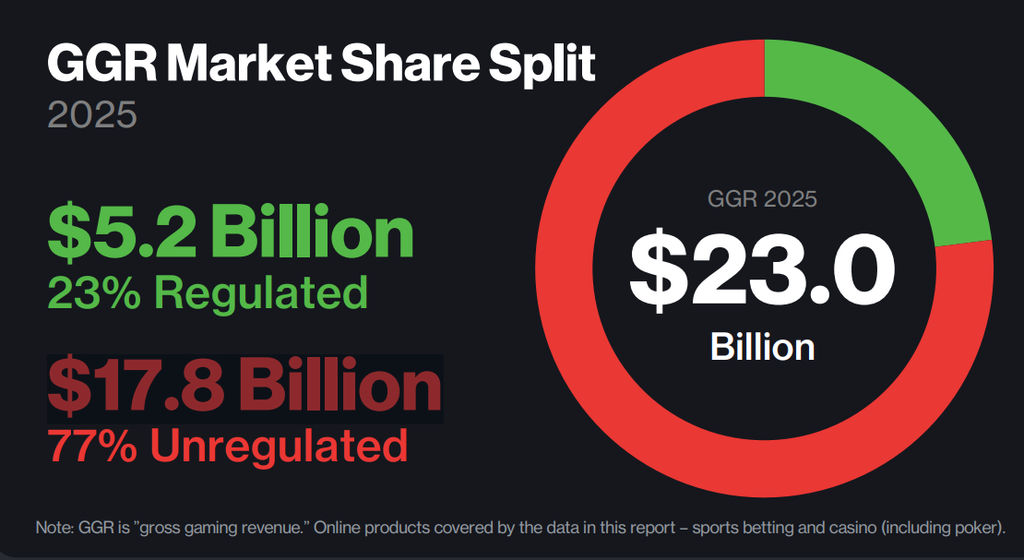
According to Gaming Compliance International, Africa’s online gambling market generated an estimated $23 billion in gross gaming revenue in 2025. Unregulated operators accounted for $17.8 billion, or 77 per cent, of the total, while regulated operators generated $5.2 billion.
“The starting point is simple: the legal market must be easier and safer to use than the illegal route,” Moshi said.
Tax and licensing affect channelisation
Moshi said licensed operators can struggle to compete when regulatory costs become too high or when market entry takes too long.
“If licensed operators face long approval processes, unsustainable taxes or limits that prevent them from offering the products and payment options players want, offshore platforms will fill that gap,” he said.
He called for proportionate taxation, efficient licensing, convenient local payment methods and products that reflect consumer demand.
Moshi also cautioned against judging gambling taxation solely by the rate imposed. Operators may face gaming taxes alongside turnover taxes, withholding taxes, licence fees and other compliance costs.
“The highest tax rate does not always produce the highest public revenue,” he said.
According to Gaming Compliance International, Africa’s online gambling market generated an estimated $23 billion in gross gaming revenue in 2025. Unregulated operators accounted for $17.8 billion, or 77 per cent, of the total, while regulated operators generated $5.2 billion.
He argued that governments should consider the combined burden placed on licensed operators and assess whether tax policies allow them to remain commercially viable while contributing to public revenue.
Enforcement needs a market-based approach
Moshi said enforcement against offshore gambling remains necessary, including action targeting illegal websites, advertising and payment channels. However, he said shutting down individual platforms will not address why consumers choose unlicensed alternatives.
“Governments must therefore look beyond enforcement and create a regulated market that works in practice,” Moshi said.
He suggested that regulators use data on player activity, payments and website traffic to identify when consumers are moving offshore and understand the reasons behind that movement.
“The real test is not how many platforms are shut down,” he said. “It is whether more players willingly choose licensed operators because the regulated market offers them a safer and genuinely better experience.”
This approach places channelisation alongside enforcement as a measure of regulatory effectiveness. Recent industry analysis has similarly highlighted taxation, payment systems and product availability as factors that can affect the competitiveness of regulated African gambling markets.
Common standards could reduce fragmentation
Moshi also called for greater alignment between African gambling jurisdictions, while stopping short of advocating a single continental gambling law.
“Africa does not necessarily need one gaming law, but operators should not have to start from scratch every time they enter a new market,” he said.
He identified licensing standards, customer verification, anti-money laundering controls, technical certification, data reporting and responsible gambling as areas where greater alignment could reduce regulatory friction.
However, countries should retain control over tax rates, permitted gambling products and safeguards that reflect their own economic and social conditions.
The objective, Moshi said, should be “a shared minimum standard that protects players and gives credible operators greater certainty” while allowing individual jurisdictions to maintain their own regulatory approaches.
Kenya highlights transition challenges
Moshi also pointed to Kenya’s regulatory reforms as a lesson for other African markets undertaking major changes.
He said new licensing requirements and compliance rules need clear guidance, realistic implementation periods and consistent treatment of existing licences. Operators, payment providers, consumer protection organisations and technical specialists should also be involved before reforms take effect.
“The second lesson is that a stronger regulator needs more than wider powers,” Moshi said. “It needs the people, technology and data to use them effectively.”
For Moshi, the wider challenge is to build regulated gambling markets that can compete with offshore platforms while maintaining player protection and regulatory oversight. Enforcement remains part of that approach, but he argues that effective channelisation also depends on whether the legal market works for operators and consumers.