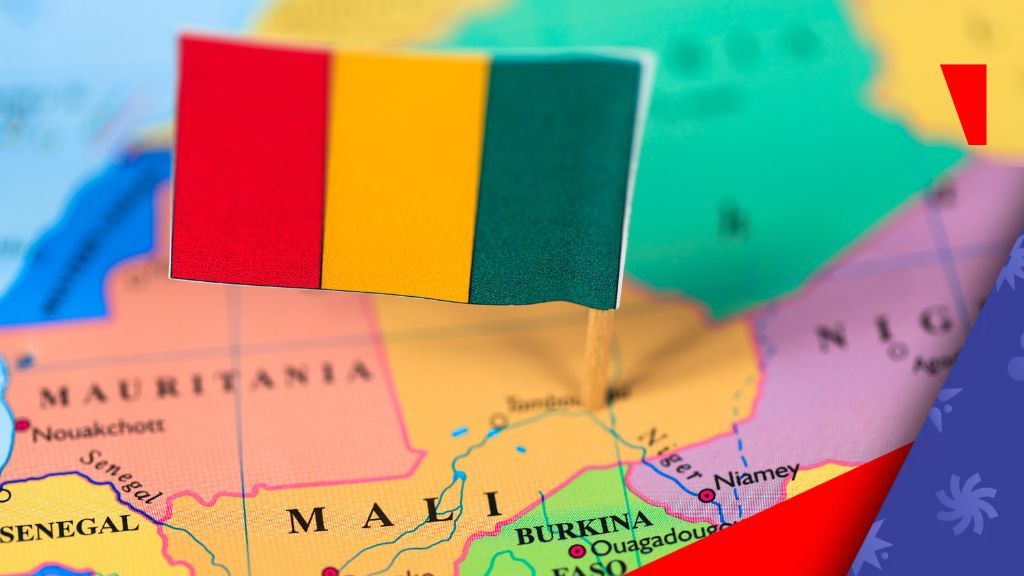
Mali’s draft 2027 budget targets FCFA54.4bn (US$96.3m) in tax revenue from sports-betting winnings, an increase of 8.8 per cent on the revised 2026 forecast of FCFA50bn (US$88.5m).
The target is set out in the government’s draft Finance Bill for 2027, which also outlines plans to expand the betting network operated by PMU-Mali and integrate new gaming operators. The proposals remain subject to the legislative process.
Mali’s Council of Ministers adopted the draft Finance Bill on 18 September 2026. The National Transition Council’s October session opened on 5 October, with the proposed 2027 budget due to be examined.
PMU-Mali and casino tax receipts set to rise
The draft budget also forecasts higher tax receipts under the PMU-Mali and casino revenue lines. Tax receipts attributed to PMU-Mali are projected to reach FCFA25.47bn (US$45.1m) in 2027, up from FCFA23.34bn ($41.3m) in the revised 2026 budget. This represents an increase of approximately 9.1 per cent.
Casino tax receipts are forecast to rise by a similar proportion, from FCFA325.5m ($576,000) to FCFA355.1m ($629,000).
These figures represent projected tax receipts rather than total operator revenue or betting turnover. The sports-betting winnings tax target is a separate line in the draft budget and should not be conflated with the amounts listed under PMU-Mali and casinos.
Draft proposes expansion of PMU-Mali’s betting network
The Finance Bill’s budget presentation states that commercial and incentive reforms at PMU-Mali will continue in 2027. The measures include integrating new gaming operators, extending the Avant la Réunion (ALR) horse-racing betting network and establishing additional Pendant la Réunion (PLR) betting points for high-stakes bettors.
The proposals form part of the government’s wider efforts to increase state revenue. The draft also identifies measures to improve the effectiveness of tax, customs and land administration, broaden the tax base and expand digital payment processes.
The draft Finance Bill states that commercial reforms at PMU-Mali will continue in 2027. These include integrating new gaming operators, extending the Avant la Réunion (ALR) betting network and establishing additional Pendant la Réunion (PLR) betting points for high-stakes bettors.
PMU-Mali participates in regional betting initiative
The proposed expansion comes as PMU-Mali participates in a cross-border horse-racing betting initiative involving neighbouring countries.
On 12 October, PMU-Mali joined Burkina Faso’s National Lottery (LONAB) and Niger’s National Lottery (LONANI) to launch the first Pari Confédéral AES in Bamako. The five-day event, running until 16 October, brings together the three operators under the Confederation of Sahel States (AES).
According to Focus Gaming News, the initiative is intended to strengthen cooperation through joint betting activities and the sharing of resources and expertise. It features a FCFA150m ($263,000) jackpot for a special Quinté horse-racing bet scheduled for 15 October.
At the launch, Mali’s Minister of Economy and Finance, Alousséni Sanou, called for transparency, protection of minors and responsible gambling. The initiative provides additional context for PMU-Mali’s regional activity, although the draft budget’s revenue projections and proposed domestic network reforms remain separate matters.
Overall budget revenue forecast to increase
Mali’s total budget revenue is projected to rise by 14.64 per cent, from FCFA3.373tn ($6.0bn) in the revised 2026 budget to FCFA3.867tn ($6.8bn) in 2027.
Government expenditure is forecast at FCFA4.463tn ($7.9bn), leaving a projected budget deficit of FCFA596.011bn ($1.06bn). This would be 3.93 per cent lower than the revised 2026 deficit of FCFA620.425bn.
The sports-betting tax target and the planned changes to PMU-Mali’s operations are therefore part of a broader budget proposal aimed at increasing revenue while setting out the government’s projected spending and financing requirements.
The 2027 figures remain proposals in the draft Finance Bill and may change during legislative examination.